Strength Training for Beginners on the Gold Coast: How to Start
Beginners should start strength training with two or three structured sessions per week, focusing on simple movement patterns, controlled technique and gradual progression. You do not need to be fit or lift heavy weights before starting. The safest, most effective approach is a personalised program that matches your ability, goals and recovery.
Walking into a gym for the first time can feel intimidating. There may be unfamiliar equipment, conflicting advice and pressure to know what you are doing before you have had a chance to learn. In reality, every experienced lifter was once a beginner. Your first goal is not to complete the hardest workout possible—it is to build the skills and consistency that make long-term progress possible.
What is strength training?
Strength training is exercise that asks your muscles to work against resistance. That resistance can come from dumbbells, barbells, machines, cables, resistance bands or your own body weight. Over time, the exercises are gradually progressed so your body continues adapting.
A beginner strength program usually develops a small number of foundational movement patterns:
- squatting, such as sitting down to and standing up from a bench;
- hinging at the hips, as used in a deadlift variation;
- pushing horizontally or overhead;
- pulling through rowing and pulldown movements;
- carrying weight while maintaining a stable posture; and
- controlling and stabilising the trunk.
The exact exercise used for each pattern should suit the individual. A goblet squat may be appropriate for one person, while another may begin with a supported squat or leg press. There is no prize for starting with the most technically demanding version.
What are the benefits of strength training for beginners?
Strength training can improve more than the amount of weight you lift. With a consistent and appropriately designed program, beginners can develop stronger muscles, better physical capacity and greater confidence using their body.
Depending on your starting point and program, potential benefits include:
- increased muscular strength and endurance;
- improved ability to manage everyday physical tasks;
- support for bone health and lean muscle mass;
- better balance, coordination and movement confidence;
- improved body composition when supported by suitable nutrition;
- a clear, measurable way to track fitness progress; and
- greater confidence training independently.
Results depend on your program, consistency, lifestyle and individual circumstances. Strength training is not a quick fix, but it is a practical way to build physical capability over time.
How many times a week should a beginner strength train?
Two or three full-body strength sessions per week are a practical starting point for many beginners. This provides regular opportunities to practise exercises while leaving recovery time between sessions. Someone completely new to exercise may begin with two sessions, while another person may comfortably manage three.
More training is not automatically better. A five-day program may look impressive on paper, but it will not help if it leaves you overly sore or becomes impossible to fit around work and family commitments. Your schedule should be realistic enough to repeat consistently.
On days between strength sessions, walking or other enjoyable cardiovascular activity can support general fitness and recovery. Rest days are also part of the plan, particularly when your body is adapting to a new training stimulus.
How hard should your first workouts feel?
Your first sessions should feel purposeful but manageable. You should finish most sets knowing you could have completed a few more good-quality repetitions. This gives you room to practise technique without fatigue immediately changing how you move.
Muscle soreness can occur when you begin or introduce unfamiliar exercises, but severe soreness is not proof of an effective workout. Chasing exhaustion can make it harder to return for your next session and may distract from the more important goal of gradual improvement.
A coach can help select a suitable starting resistance and watch how your technique changes across a set. As you become more confident and consistent, effort can increase in a controlled way.
How does progressive overload work?
Progressive overload means gradually increasing the challenge placed on your body. Many beginners assume this only means adding more weight, but progression can happen in several ways.
You might progress by:
- completing an additional repetition with good technique;
- increasing the resistance by a small amount;
- improving control or range of motion;
- performing another set when appropriate;
- using a slightly more challenging exercise variation; or
- recovering more comfortably between sessions.
Progress is not perfectly linear. Sleep, stress, nutrition and the demands of your week can affect performance. Good programming looks at the overall trend rather than expecting a personal best every session.
Common strength-training mistakes beginners should avoid
Doing random workouts
Constantly changing exercises may feel interesting, but it makes it difficult to practise technique and measure improvement. Beginners usually benefit from repeating key movements for long enough to become competent before making unnecessary changes.
Starting too heavy
The weight should challenge you without taking control away from the movement. Starting lighter allows you to learn the exercise, establish a baseline and progress with greater confidence.
Copying someone else’s program
A workout designed for an experienced athlete, influencer or friend may not reflect your goals or starting point. Training should account for your ability, history, preferences and available time.
Judging success by soreness
Soreness is not a reliable score for workout quality. Better indicators include improved technique, greater strength, consistent attendance and feeling increasingly capable with the exercises in your program.
Ignoring recovery and nutrition
Training provides the stimulus, but adaptation happens between sessions. Eating adequately, consuming sufficient protein, sleeping well and allowing recovery time all support your ability to train consistently.
Do beginners need a personal trainer?
You can begin strength training independently, but personal coaching can remove much of the early guesswork. A trainer can assess your current ability, choose appropriate exercises, explain equipment, provide technique feedback and build a progression plan around your goals.
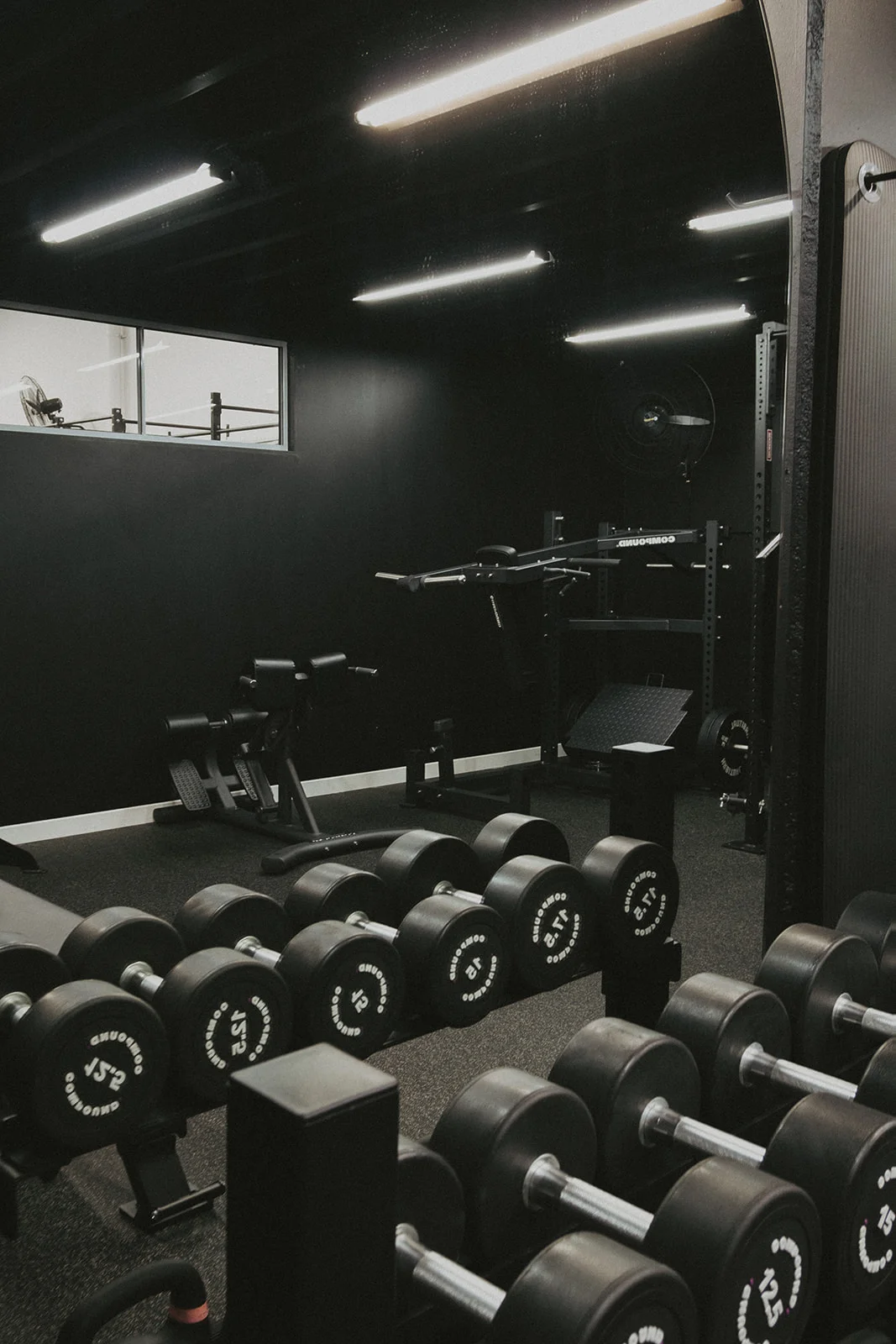
This support can be particularly helpful if you feel self-conscious in a commercial gym, have repeatedly started and stopped exercising or are unsure which online advice applies to you. Resolve Performance provides private one-on-one coaching at its Burleigh Heads studio, allowing beginners to learn without having to keep pace with a group.
If you are comparing coaches, our guide to choosing a personal trainer on the Gold Coast explains what to consider before committing.
What happens during a beginner personal-training session?
Before training begins, your coach should learn about your goals, exercise history, current routine and any relevant limitations. Your early sessions may then introduce a small selection of movements and establish comfortable starting levels.
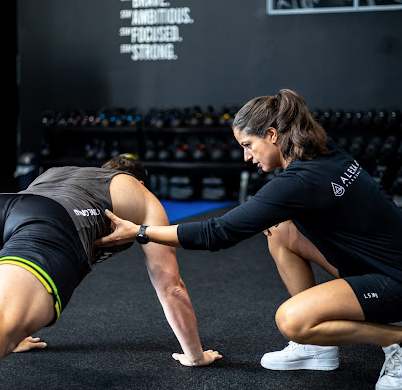
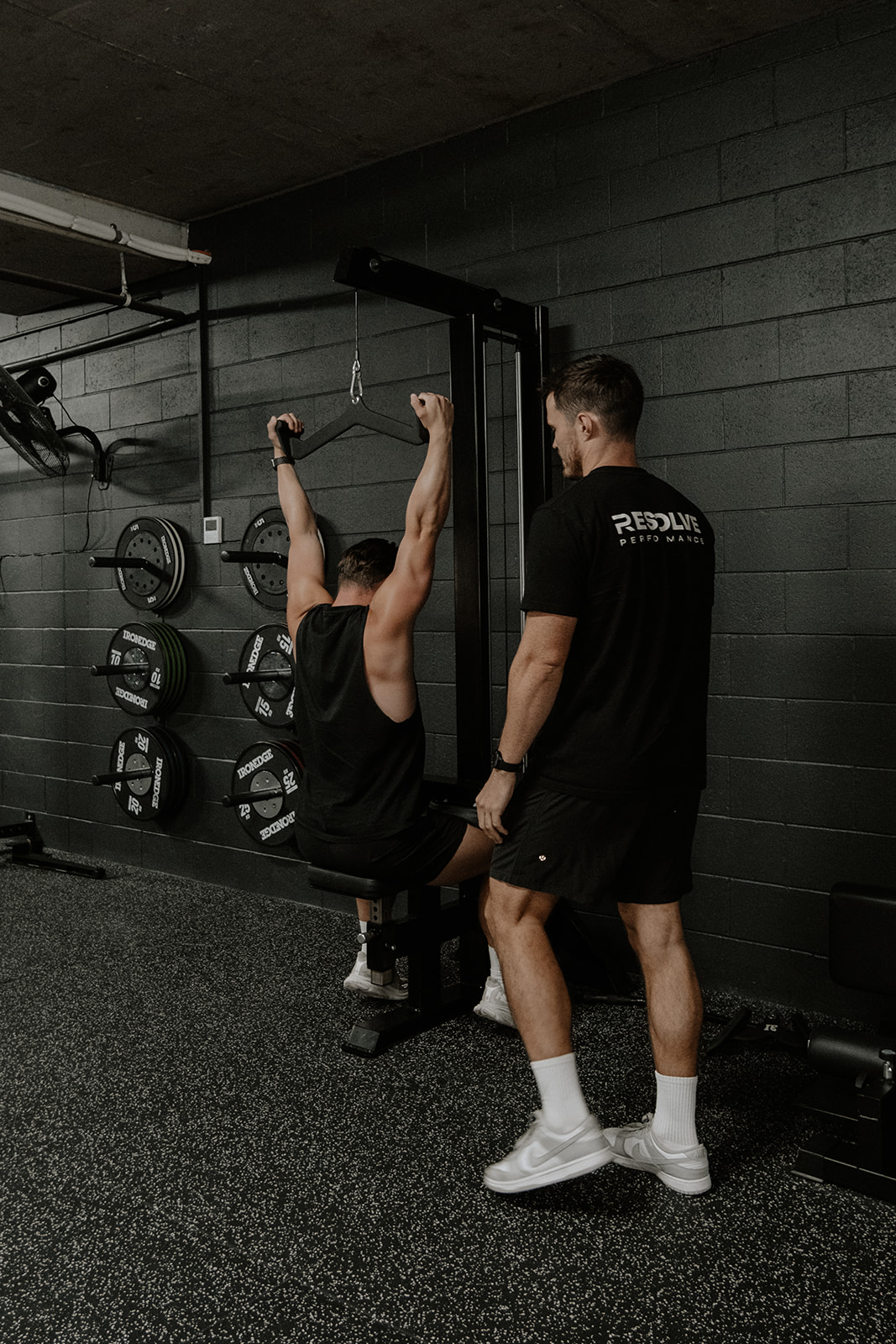
During each exercise, your trainer can demonstrate the movement, observe your repetitions and offer clear cues. Exercises can be adjusted when needed. Over subsequent sessions, your program should develop gradually rather than becoming harder for the sake of it.
Resolve Performance offers dedicated female personal training and male personal training, with individualised programs designed around each client rather than a preset beginner template.
Can strength training support weight loss?
Strength training can be an important part of a weight-loss plan because it helps maintain or build lean muscle while you work towards reducing body fat. However, exercise alone does not determine weight loss. Nutrition, everyday movement, sleep and consistency also matter.
If weight loss is your main goal, learn how structured weight loss training on the Gold Coast combines strength work with nutrition, movement and accountability. Beginners should avoid using exercise as punishment for food or assuming every session must burn the maximum number of calories.
Strength training for Gold Coast beginners
Resolve Performance’s private studio is located in Burleigh Heads and works with beginners from surrounding areas including Burleigh Waters, Miami, Palm Beach, Varsity Lakes, Robina, Mermaid Waters and Elanora. A convenient training location can make it easier to build a routine around work and family commitments.
If getting to the studio regularly is not practical, online personal training can provide structured programming and support wherever you train. You can also review Resolve Performance client results to learn more about the range of people the team has coached.
Frequently asked questions
What exercises should a beginner start with?
Beginners should learn simple exercises covering squat, hinge, push, pull, carry and trunk-control patterns. The precise exercises should match your current ability. Machines, dumbbells, cables and body-weight movements can all be useful when selected appropriately.
How long should a beginner strength workout take?
A beginner session does not need to be long. Many effective sessions can be completed in approximately 45 to 60 minutes, including preparation and technique practice. Exercise quality and consistency matter more than spending excessive time in the gym.
How many days a week should beginners lift weights?
Two or three full-body sessions per week are suitable for many beginners. Your ideal frequency depends on your goals, schedule, fitness and recovery. Start with a routine you can sustain and increase training only when it is useful.
Should beginners use machines or free weights?
Both can be effective. Machines can provide stability and make some movements easier to learn, while free weights develop skill across a wider range of movement. A beginner program can use either or combine both depending on the individual.
Is it normal to feel sore after strength training?
Some muscle soreness can occur after an unfamiliar workout, especially when starting. Severe soreness is not required for progress. Gradual training increases, appropriate recovery and consistent exercise usually make soreness easier to manage over time.
Do I need to get fit before starting personal training?
No. A personal-training program should be adapted to your present fitness and experience. Beginners can learn exercises progressively with resistance, repetitions and session demands selected for their starting point.
Start strength training with a clear plan
You do not need the perfect program or complete confidence before you begin. Start with manageable sessions, learn a small number of useful movements and give yourself time to improve. Consistency, technique and gradual progression will take you further than trying to do too much in your first week.
If you would like individual guidance, book a free discovery call with Resolve Performance. The team can discuss your goals and explain how private beginner strength training at the Burleigh Heads studio could help you get started.