Strength training twice a week can be enough to improve strength and build muscle, particularly if you are a beginner or returning after a break. The sessions need to cover the major muscle groups, provide an appropriate challenge and progress over time. Your results also depend on consistency, nutrition, recovery and your individual goals.
For busy Gold Coast adults, finding two reliable training appointments can feel much more realistic than committing to the gym every weekday. The useful question is what those two sessions need to include and how to tell whether the plan is working.
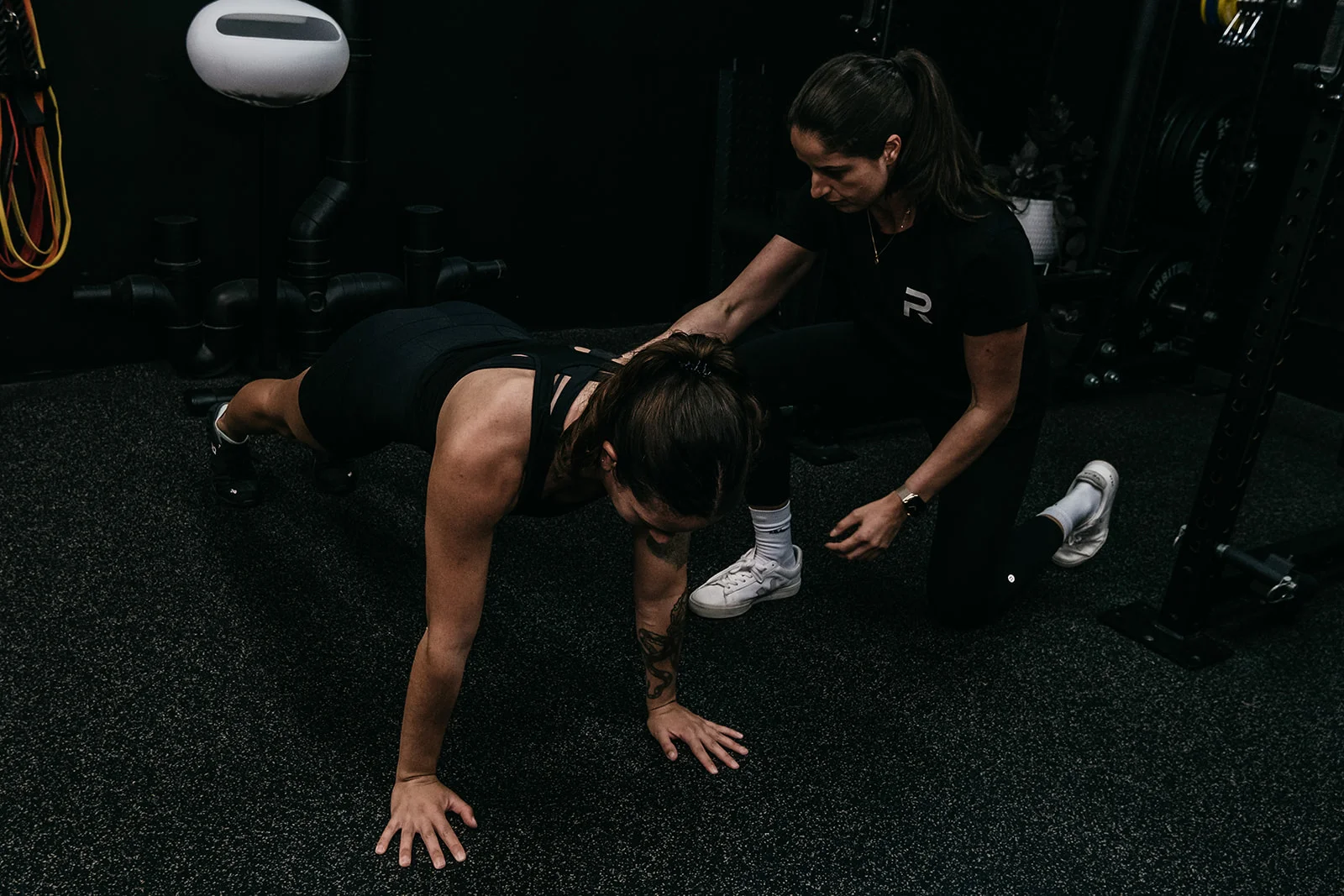
At Resolve Performance in Burleigh Heads, we build personal training around each client’s goals and availability. A manageable weekly structure gives you a starting point you can follow, review and adjust.
Enough for general health, strength or maximum muscle growth?
These goals overlap, but they are not identical. Two weekly strength sessions can be a sensible foundation for becoming stronger and making resistance training part of everyday life. Someone pursuing advanced strength or bodybuilding goals may need a different amount and distribution of training.
The Australian movement guidelines for adults recommend muscle-strengthening activities on two or more days per week. They also recommend other physical activity, so two gym visits should sit within an active week rather than replace all other movement.
Meeting a general-health recommendation does not guarantee a particular physique or rate of muscle growth. Your plan still needs to reflect what you want to achieve, where you are starting and how your body responds.
Why a full-body structure can suit two training days
With only two sessions available, full-body training is often a practical way to cover the main muscle groups. If you dedicate one day exclusively to your chest and another exclusively to your arms, there may be little planned work for your legs or back.
A full-body session can include suitable versions of these movements:
- A knee-dominant movement: such as a squat variation or leg press.
- A hip-dominant movement: such as a hip hinge or glute bridge.
- An upper-body push: such as an incline push-up or machine press.
- An upper-body pull: such as a row or pulldown.
- A trunk or carrying exercise: chosen to suit your ability and goals.
You do not need to use every possible exercise. Choose a manageable selection and learn it well. Our beginner strength-training guide explains how to approach the first stages of lifting.
What could a two-day strength-training week look like?
The example below shows how movements could be distributed across two non-consecutive days. It is a starting framework to discuss with a coach, rather than a prescription for every reader. Exercise selection, loads and the amount of work should be adapted to your ability.
Session A: for example, Monday
- Goblet squat or an appropriate leg-press variation.
- Glute bridge or a suitable hip-thrust variation.
- Incline push-up or chest press.
- Seated row or supported dumbbell row.
- A manageable carry or trunk exercise.
Session B: for example, Thursday
- A hip-hinge variation, such as a light Romanian deadlift.
- A supported split squat or suitable step-up.
- A comfortable upper-body pressing variation.
- A pulldown or another appropriate pulling movement.
- A trunk exercise matched to your current control.
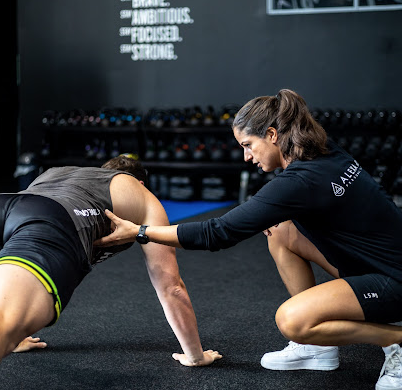
Begin with a brief warm-up and practise unfamiliar movements with light resistance. Take enough rest to perform the next set with control. Your coach can choose the starting sets and repetitions and help you judge when to increase them.
Monday and Thursday are examples, not requirements. Tuesday and Friday may fit your life better. The point is to book two repeatable opportunities and leave time to recover between challenging sessions.
How do you progress when you only train twice?
A two-day plan still needs a progression method. Keep a record of your exercises, weights and repetitions. When the prescribed work becomes manageable with consistent technique, make a small, planned change.
That change might be another controlled repetition, slightly more resistance or a more suitable exercise variation. If you increase the load, it is normal for the number of repetitions you can perform to fall initially. Rebuild from there rather than increasing everything at once.
Compare sessions over several weeks. A single difficult workout after a poor night’s sleep does not prove the program has stopped working. A pattern of stalled performance, missed sessions or persistent fatigue gives you more useful information to discuss with your coach.
Can you build muscle with two strength sessions a week?
Yes, particularly when starting out, but frequency is only one part of the program. Your exercises need to challenge the relevant muscles, and the total weekly workload needs to be appropriate. Nutrition and recovery also affect your ability to train and adapt.
As you become more experienced, fitting the work needed for a particular goal into two sessions may become less practical. Adding a third day can spread that work across the week. It is a programming option to consider when needed, rather than a requirement before you begin.
The American College of Sports Medicine’s resistance-training guidance emphasises consistent participation and training the major muscle groups regularly. That supports starting with a routine you can maintain and refining it as your goals develop.
What should you do on the other days?
Keep moving in ways that suit your fitness and schedule. Walking, cycling, swimming and other enjoyable activities can complement strength sessions. An easier day can include activity without becoming another demanding gym workout.
Think about the ordinary parts of your week too: breaking up long periods at a desk, walking for short errands or making time for activity with family. A training plan is easier to sustain when it works alongside your lifestyle rather than requiring every day to be perfectly organised.
Allow time for sleep and regular meals. If hard exercise repeatedly leaves you too tired to manage everyday responsibilities, review the workload and your recovery rather than treating exhaustion as proof of progress.
Will two strength sessions help with weight loss?
Strength training can support a weight-management plan, but two sessions do not guarantee weight loss. Food intake, overall activity and your individual circumstances also matter. A useful program considers those factors together.
Our article on weight loss training on the Gold Coast explains the broader approach. If your goal is to change body composition, assess your training progress alongside other relevant measures rather than judging everything from a single weigh-in.
When should you change the plan?
Review the routine when you can explain a specific problem. You may be missing sessions because they are too long, struggling with an exercise or finding that your goals have changed. Each issue calls for a different adjustment.
Before adding another training day, check that you are completing the existing sessions, recording progression and recovering adequately. If those foundations are in place and progress has stalled over time, a coach can help adjust the exercises, workload or schedule. New or persistent pain needs appropriate assessment, rather than simply more training.
Frequently asked questions
Is strength training twice a week enough for beginners?
It can be a useful starting point when both sessions are appropriate for your ability and cover the major muscle groups. Focus on learning the movements and attending consistently, then build the training challenge as you become more capable.
Is 30 minutes of strength training twice a week enough?
Thirty minutes can be useful when the session is planned and the exercise selection is manageable. What you complete matters as well as the time available. Leave room for warming up, suitable rest and controlled technique rather than rushing through more exercises.
Should my two strength sessions be on consecutive days?
Non-consecutive days are often a practical starting choice for challenging full-body sessions. If consecutive days are your only option, ask a coach to adjust the workload and exercise selection so the schedule suits your recovery.
Do both sessions have to be with a personal trainer?
No. Depending on your experience and the coaching arrangement, you may combine supervised and independent training. Ask how your program, technique feedback and progress reviews would work before deciding which structure suits you.
Will I lose progress if I miss one session?
One missed appointment does not erase the work you have already done. Return to your routine when you can rather than trying to compensate with an excessive workout. If missed sessions become common, revise the schedule so it is easier to maintain.
How do I know when I need a third training day?
A third day may help if your goals require more work than fits comfortably into two sessions. First review your current attendance, progression and recovery. Your coach can then decide whether another day or a change within the existing sessions is more useful.
Make two training days work for your week
If two days are what you can reliably manage, they are worth planning properly. Resolve Performance offers personalised strength training in Burleigh Heads to help you establish a suitable starting point and progress over time.
If you are still weighing up coaching, read our guide to whether personal training is worth it. To discuss your own goals and availability, book a free discovery call with Resolve Performance.