Fat Loss vs Weight Loss: What’s the Difference and Why It Matters
What is the difference between fat loss and weight loss? Weight loss means reducing your total body weight, which can include fat, muscle and water. Fat loss specifically means reducing body fat. If your goal is to look leaner, maintain strength and improve body composition, focusing on fat loss rather than scale weight alone can be more useful.
If you’re trying to get in shape, you’ve probably heard the terms fat loss and weight loss used interchangeably. While they are related, they don’t mean exactly the same thing.
This distinction matters because the number you see on the scales doesn’t tell you what has changed inside your body. Two people can weigh exactly the same but have very different amounts of muscle and body fat.
For many people, “losing weight” is actually shorthand for wanting to lose body fat, look leaner and improve their body composition. Understanding the difference can help you set better goals and choose a training and nutrition approach that is easier to maintain.
What Is Weight Loss?
Weight loss is simply a reduction in total body weight.
Your body weight includes more than body fat. Changes on the scales can be influenced by:
- Body fat
- Muscle mass
- Body water
- Glycogen and other stored energy
- The contents of your digestive system
This is why your weight can change from one day to the next without representing a meaningful change in body fat.
For example, you might see the scales drop quickly after changing your diet. Some of that initial change may be water rather than a significant reduction in body fat.
Weight loss can absolutely be a worthwhile goal, particularly where reducing overall body weight has been recommended for health reasons. However, the scale alone doesn’t tell you whether the weight you’ve lost is primarily coming from fat or lean tissue.
What Is Fat Loss?
Fat loss refers specifically to reducing the amount of stored body fat.
When someone says they want to look leaner, more defined or more athletic, they are often talking about changing their body composition rather than simply making their body weight smaller.
Body composition describes the proportion of fat and lean mass in your body. This is why two people who weigh the same can look and perform very differently.
For someone focused on physique, strength and long-term fitness, reducing excess body fat while maintaining as much muscle and strength as possible can be a more useful objective than simply chasing the lowest possible number on the scales.
Fat Loss vs Weight Loss: Why Does the Difference Matter?
The biggest problem with focusing exclusively on scale weight is that it doesn’t tell you what you’re losing.
If your weight decreases because you’re losing a combination of body fat, muscle and water, the result can be very different from losing primarily body fat while maintaining your lean mass.
This is particularly important if your goal is to look leaner and stronger rather than simply weigh less.
For example, someone could lose 5kg and become smaller but lose a significant amount of muscle in the process. Another person could lose a similar amount of body weight while maintaining more muscle and reducing a greater proportion of body fat.
The scales may show a similar result, but their body composition and physical performance could be very different.
This is why structured weight loss training on the Gold Coast should look beyond the number on the scales and consider the bigger picture.
Should You Focus on Fat Loss or Weight Loss?
For many people whose main goal is to look leaner and improve body composition, focusing on fat loss makes more sense than simply trying to make the scale weight as low as possible.
That doesn’t mean weight loss is unimportant.
If you’re carrying excess body fat, reducing your overall body weight may be part of improving your health. The difference is in how you approach that goal.
Rather than asking only, “How much weight can I lose?”, it can be more useful to ask:
- Am I reducing body fat?
- Am I maintaining my strength?
- Am I maintaining as much muscle as possible?
- Is my training performance improving or being maintained?
- Can I maintain my approach over the long term?
These questions provide more context than scale weight alone.
How Do You Lose Fat Without Losing Muscle?
There is no way to guarantee that every kilogram lost during a calorie deficit will come exclusively from body fat. However, your training and nutrition approach can be structured to support muscle retention while you work towards reducing body fat.
Prioritise Strength Training
Resistance training provides an important stimulus for your muscles while you’re trying to lose body fat.
Rather than replacing strength training with endless cardio, maintaining a structured resistance program can help you continue giving your muscles a reason to stay strong and active.
Your program should be appropriate for your current experience level and should progress or adapt as your fitness changes.
Use Progressive Training
Progressive overload doesn’t necessarily mean lifting more weight every single session.
Progress can involve gradually increasing resistance, improving technique, completing more repetitions, increasing training volume or progressing to a more challenging exercise variation.
During a fat-loss phase, the goal may sometimes be to maintain your existing strength rather than continually setting personal records.
What matters is that your training has structure and continues to provide an appropriate stimulus.
Eat Enough Protein and Nutrients
Nutrition plays a major role in body composition.
If you’re trying to lose body fat, you generally need to create an appropriate energy deficit over time. However, an unnecessarily aggressive approach can make it harder to train well, recover properly and maintain your routine.
Protein is also important when you’re trying to maintain muscle while losing weight. Your overall nutritional needs depend on factors such as your body size, activity levels, goals and individual circumstances.
The aim should be a sustainable nutrition strategy rather than an extreme diet that you can only maintain for a few weeks.
Don’t Rely Entirely on Cardio
Cardio can be a useful part of a fat-loss program. It can increase physical activity and improve cardiovascular fitness.
However, more cardio isn’t automatically better.
A balanced approach can combine resistance training, cardiovascular exercise and everyday movement based on your goals and ability to recover.
If you’re already training hard but struggling to make progress, adding more and more cardio may not be the answer. Your nutrition, recovery, training structure and overall activity may need to be reviewed first.
What Happens When You Lose Weight Too Quickly?
Rapid changes on the scales can be appealing, but faster isn’t always better.
A large initial drop in weight can include changes in water and stored carbohydrates as well as body fat. If weight loss is achieved through excessive restriction, there can also be a greater risk of losing lean tissue.
Rapid, restrictive approaches can also be difficult to maintain. If you can’t realistically follow your diet or training approach for more than a few weeks, it is unlikely to produce the long-term result you’re looking for.
Sustainable fat loss is generally about finding an approach that creates progress without making your entire lifestyle revolve around dieting.
Why the Scales Don’t Tell the Whole Story
One of the biggest mistakes people make during a fat-loss phase is treating every change in scale weight as a direct measure of body fat.
Your body weight can fluctuate for many reasons. Hydration, food intake, carbohydrate intake and other normal day-to-day changes can all affect what you see when you step on the scales.
This is why a single weigh-in isn’t necessarily meaningful.
Instead, look at trends over time and combine scale weight with other indicators.
Ways to Track Fat Loss Progress
Depending on your goals, useful measures can include:
- Average body weight over time
- Waist and other body measurements
- Progress photographs
- Strength and training performance
- How your clothes fit
- Fitness and energy levels
Using several measures gives you a more complete picture of what’s happening.
For example, if your weight has barely changed but your waist measurement is decreasing and your strength is being maintained, that may still represent meaningful progress.
Can You Lose Fat Without Losing Weight?
Yes, although the scale ultimately reflects total body mass rather than just body fat.
If you’re losing body fat while simultaneously maintaining or increasing muscle mass, the change in your total body weight may be relatively small.
This is one reason body recomposition can sometimes be confusing. You may notice changes in your shape, measurements or clothing before seeing a large change on the scales.
For someone who is new to resistance training, improving training quality and nutrition can potentially lead to changes in body composition even when scale weight isn’t changing dramatically.
How Long Does Fat Loss Take?
There is no single timeframe that applies to everyone.
Your rate of progress can be influenced by your starting point, nutrition, training, daily activity, sleep, stress, genetics and how consistently you follow your plan.
It’s also important to remember that fat loss isn’t perfectly linear.
You may have periods where your weight changes quickly, periods where it barely moves and times when the scales temporarily increase even though you’re still following your plan.
Rather than expecting a specific amount of weight to disappear every week, look at your longer-term trend and whether your habits are producing the changes you want.
What Should You Eat for Fat Loss?
There is no single food or diet that automatically causes fat loss.
The overall goal is to create a sustainable nutritional approach that supports an appropriate energy deficit while providing enough protein, nutrients and food to support your lifestyle and training.
For many people, this means building meals around nutritious whole foods, eating enough protein, managing portion sizes and finding a balance that can be maintained consistently.
You don’t need to completely eliminate carbohydrates, avoid eating after a particular time or follow an extreme diet to lose body fat.
The best approach is one that helps you consistently manage your overall energy intake while still allowing you to enjoy food and maintain a normal lifestyle.
Why Personalised Coaching Can Help With Fat Loss
Fat loss sounds simple in theory, but putting the right approach together can be difficult.
Generic programs don’t account for differences in training experience, lifestyle, schedule, preferences, recovery or starting point.
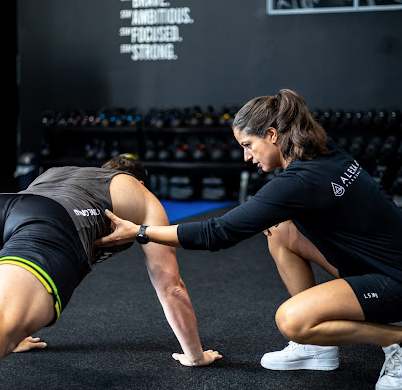
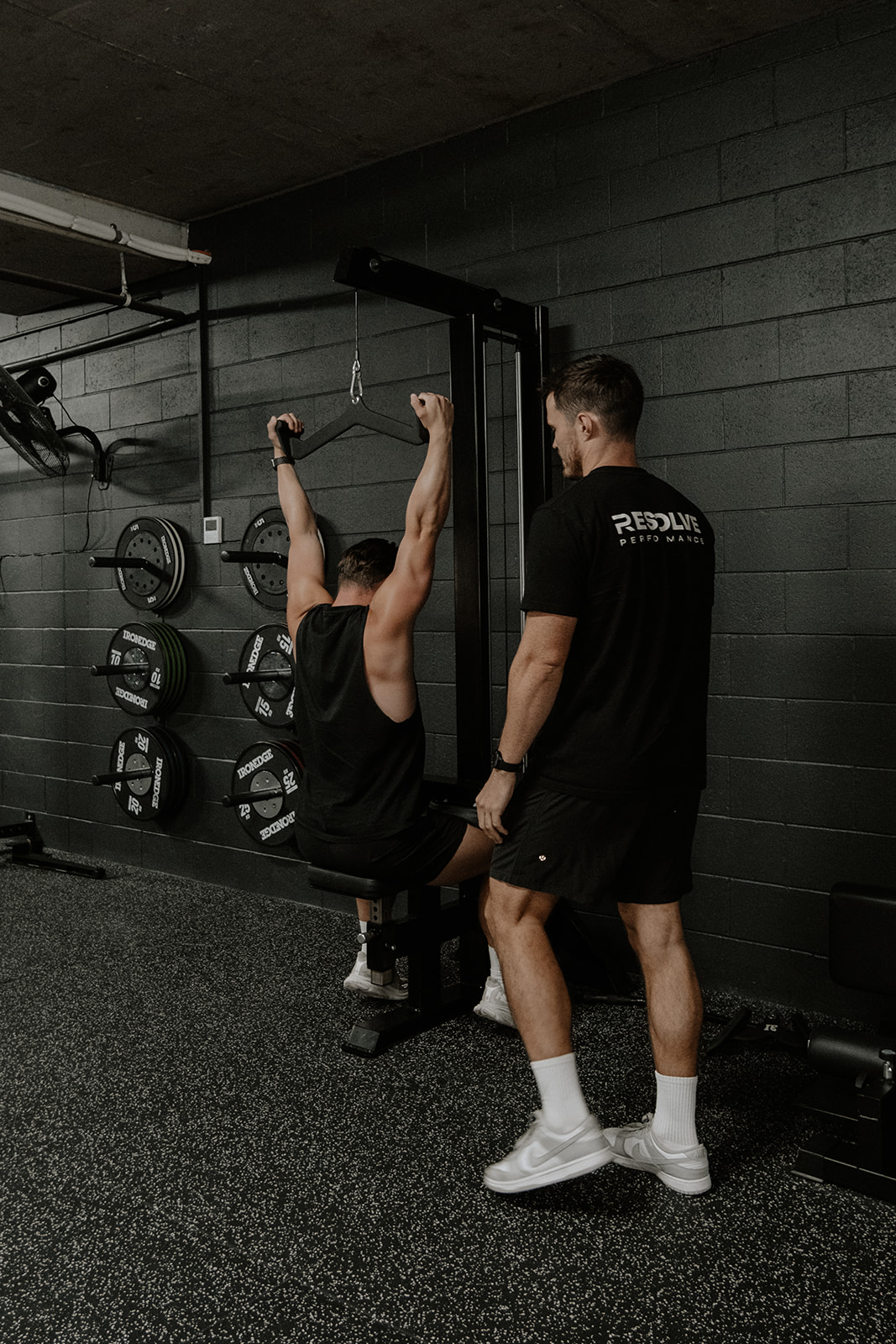
Working with a coach allows your training to be structured around your individual circumstances and adjusted as you progress.
A personalised approach can help you:
- Follow a structured training program
- Prioritise strength and muscle retention
- Track progress using more than scale weight
- Adjust your training as your fitness improves
- Build more sustainable habits
- Stay accountable and consistent
This is why many people — including those looking for a female personal trainer on the Gold Coast — achieve better results with personalised training.
Fat Loss vs Weight Loss: Which Should You Focus On?
If your main goal is simply to reduce your body weight, weight loss is the measurement you’re looking at.
But if your goal is to look leaner, maintain strength, improve body composition and build a physique you feel confident in, fat loss is usually the more useful focus.
The goal isn’t to become obsessed with body fat percentages or ignore the scales completely. Instead, use scale weight as one piece of information alongside your measurements, training performance, appearance and overall wellbeing.
A successful fat-loss program should help you make progress without sacrificing the habits and strength that you want to maintain once you reach your goal.
Frequently Asked Questions About Fat Loss vs Weight Loss
What is the difference between fat loss and weight loss?
Weight loss is a reduction in total body weight, which can include fat, muscle and water. Fat loss specifically refers to reducing body fat. This is why someone can lose weight without necessarily losing a large amount of body fat.
Is fat loss better than weight loss?
It depends on your goal. If you’re trying to improve body composition and look leaner while maintaining muscle, focusing on fat loss can be more useful than simply trying to reduce scale weight. Weight loss can still be an important health goal where reducing overall body weight is appropriate.
Can I lose fat without losing muscle?
It isn’t possible to guarantee that all weight lost during a calorie deficit will come exclusively from body fat. However, resistance training, adequate protein, appropriate nutrition and sensible weight-loss strategies can help support muscle retention while reducing body fat.
Does cardio burn more fat than strength training?
Both cardio and strength training can contribute to a fat-loss program, but they serve different purposes. Cardio can increase physical activity and improve cardiovascular fitness, while resistance training provides a stimulus for maintaining and developing muscle and strength. A balanced program can include both.
Why am I losing weight but not looking leaner?
Changes in scale weight don’t tell you exactly what has been lost. If weight loss includes muscle or significant fluctuations in water, your appearance may change differently than expected. Looking at body measurements, strength and other progress indicators can provide more context.
Can you lose fat while maintaining the same weight?
Yes. If body fat decreases while lean mass is maintained or increases, total body weight may change very little. This is one reason body composition can be more informative than scale weight alone when your goal is to look leaner and stronger.
How should I measure fat loss?
There isn’t one perfect method. Tracking longer-term body-weight trends alongside waist measurements, progress photos, training performance and how your clothes fit can provide a more complete picture. More advanced body-composition assessments can also be used where appropriate.
Do I need strength training to lose body fat?
Strength training isn’t the only way to lose body fat, but it can be an important part of a well-rounded program because it provides a stimulus for your muscles while you’re losing weight. Combining resistance training with appropriate nutrition and regular activity can support body-composition goals.
Get Started With a Sustainable Fat Loss Plan
If you’re tired of chasing the number on the scales and want to focus on improving your body composition, the first step is having a structured plan.
Fat loss doesn’t require extreme diets, endless cardio or constantly changing your workouts. A sustainable approach combines appropriate training, nutrition, recovery and consistency.
With the right support, you can work towards reducing body fat while maintaining strength and building habits that continue to support your results long after the initial weight-loss phase.
Ready to take the next step? Book a call today and start working towards real, sustainable results.