Some personal training improvements, such as confidence with exercises and a more consistent routine, can happen within the first few weeks. Noticeable strength and fitness changes often build over several weeks, while visible changes in muscle or body composition may take longer. Your starting point, training, recovery and nutrition all influence the timeline.
What counts as a result from personal training?
Many people start training hoping to see a difference in the mirror. That is one possible outcome, but it is far from the only one. Results might mean learning to squat comfortably, lifting more than you could last month, feeling more capable on weekend walks or finally establishing a routine that survives a busy workweek.
At Resolve Performance in Burleigh Heads, we encourage clients to consider both objective measures and how training supports everyday life. Different goals require different markers, so your first assessment should clarify what success means to you.
Your first four weeks: learning and building consistency
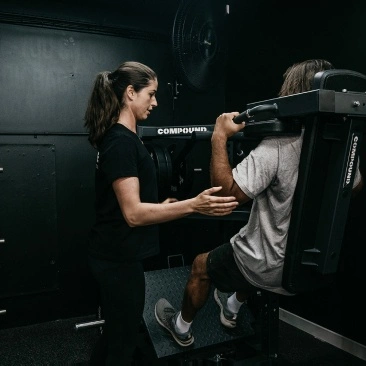
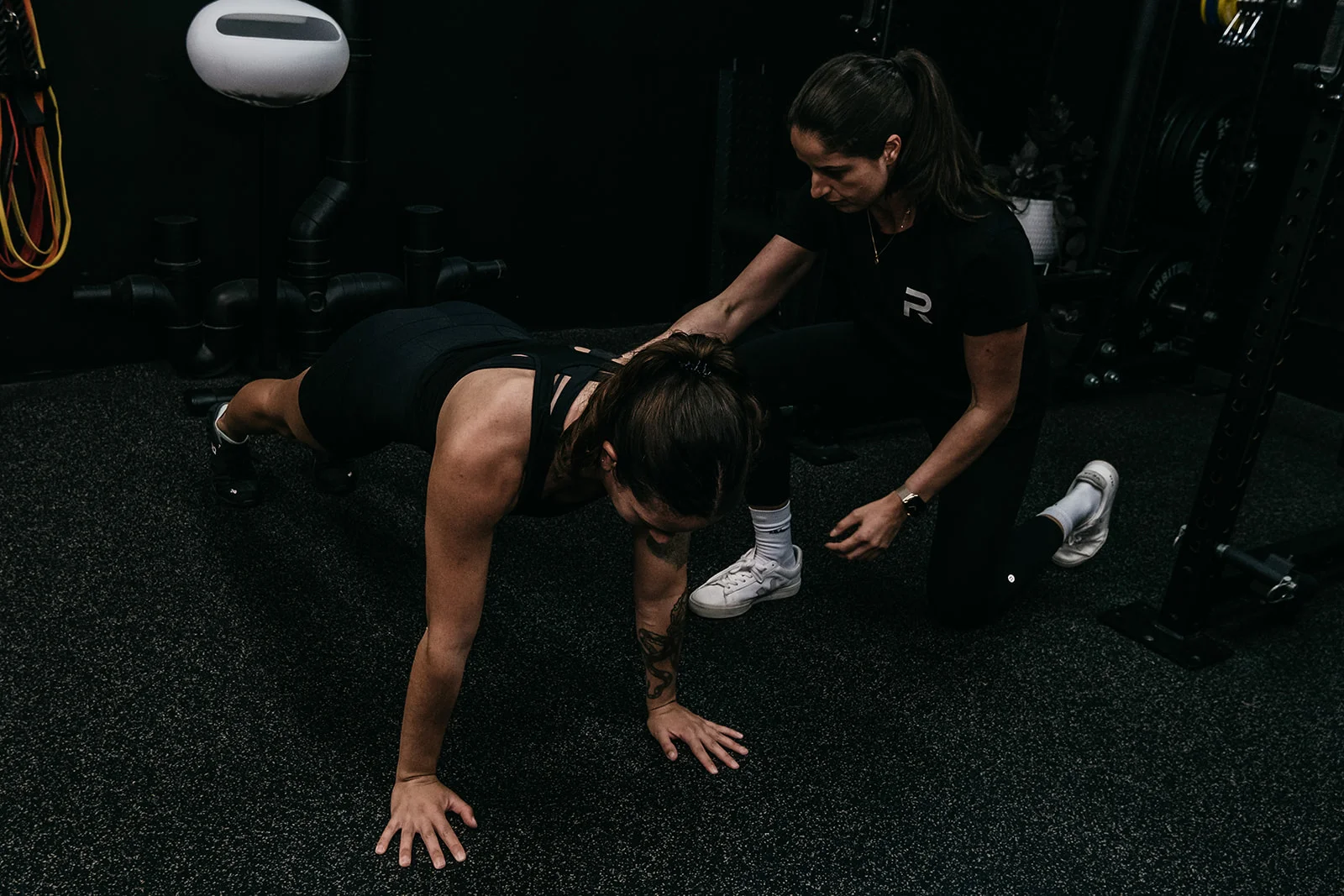
The first month is often about establishing a rhythm. You learn the key movement patterns, understand the coaching cues, find sensible starting weights and discover how sessions fit around work, family and recovery. Some people notice better confidence and coordination fairly quickly. You may also experience temporary muscle soreness as your body adapts to unfamiliar training.
Strength can improve early as you become more skilful and efficient at particular lifts, even before obvious changes in muscle size occur. Resist the temptation to treat every session as a test of maximum effort. Practising well, showing up and recovering are worthwhile first-month wins.
Around eight weeks: clearer strength and fitness trends
With regular training, many people can begin to see a clearer pattern in performance over the following weeks. Perhaps the same weight feels more controlled, you can perform an extra repetition with good technique or your work capacity has improved. These changes vary and are not guaranteed at an exact date.
A useful review looks at several sessions, not a single workout. Sleep, stress, menstrual cycle, hydration and the demands of daily life can affect how strong you feel on a given day. A coach looks for the longer-term direction and adjusts your programme rather than overreacting to a difficult session.
Around 12 weeks: review your programme and next goal
Three months can provide enough consistent training history to evaluate your habits, exercise progress and whether your plan is suited to your goals. Some clients will also notice changes in clothing fit or body composition by this stage, but the amount and timing depend heavily on individual circumstances and nutrition.
A 12-week review is a checkpoint, not a promised transformation. It may be time to build on a successful strength phase, refine nutrition habits, increase training capacity or adjust the schedule so that it remains manageable for the next season of life.
Why do results vary so much between people?
Training experience
Beginners can make substantial early skill gains because movements are new. Experienced lifters may progress more gradually and need more specific programming. Comparing the two timelines is rarely useful.
Frequency and progression
Training twice a week can produce meaningful improvements, especially with a well-designed programme. Additional sessions may suit some goals, but only if you can recover and remain consistent. See our article on whether strength training twice a week is enough.
Nutrition and energy intake
Building muscle, reducing body fat and maintaining weight require different nutritional considerations. Protein intake, overall food intake and sustainable eating habits can affect outcomes. Extreme restrictions are not necessary for everyone and may undermine energy and training quality.
Sleep, stress and recovery
Work demands, sleep and accumulated fatigue shape how well you can perform in sessions and adapt between them. A good coach considers these realities instead of assuming that more sessions will always mean faster progress.
Health, age and individual variation
Medical circumstances, medications, age and other individual factors can influence progress. If you have a health condition or need medical advice about exercise, speak with an appropriate healthcare professional. Your personal training plan should respect those considerations.
How to track progress without obsessing over the scales
Record a few key exercises, including weight, repetitions and how difficult the set felt. Note attendance and how you recover. Depending on your goals, you might monitor walking endurance, general fitness, measurements or body composition using consistent methods. Avoid treating daily weight changes as a definitive verdict.
Review the information every four to six weeks. If you are getting stronger and training more consistently but the scales barely move, you may still be making meaningful progress. If a particular goal is not changing over time, your coach can assess training, recovery and nutrition before deciding what to adjust.
Should you change your programme every few weeks?
Usually, you need enough repetition to learn exercises and assess progress. Constantly replacing every movement can make it harder to compare your performance and develop technique. Variety can keep training engaging, but the foundation of a useful strength programme is a set of movements that can be practised, adjusted and progressively challenged. A coach may retain key exercises while changing supporting work, repetitions or loads as your needs evolve.
What about fat loss versus muscle gain?
These goals may progress on different timelines. Fat loss depends substantially on energy balance over time, while increases in muscle size require progressive resistance training, adequate nutrition and recovery. Some people may improve strength while their body weight stays similar. Others may notice clothing fitting differently before the scale changes noticeably. There is no single sequence that applies to every person.
Rather than setting an arbitrary number of kilograms or a dramatic visual target for the next month, agree on specific behaviours and relevant measures with your coach. This might involve completing two planned sessions each week, progressing an exercise safely or improving meal consistency. Sustainable habits give you more control than a countdown to a promised transformation.
When to review expectations with your coach
If progress has stalled over several weeks, talk about what is happening inside and outside the gym. Your programme might need a different training stimulus, or you might benefit from more recovery, greater consistency or clearer goals. Your trainer should be able to explain why a change is recommended and what you will monitor next.
What if you have not noticed results yet?
Start with the basics: Have you completed enough sessions to establish a pattern? Is the plan progressively challenging? Are you sleeping and eating in ways that support your goals? Are you measuring the result you actually care about? Sometimes the answer is a small programme adjustment, not a complete restart.
If you are unsure whether personalised coaching suits your circumstances, read is 1-on-1 personal training worth it on the Gold Coast? for a closer look at the process and value.
Start with a plan you can sustain on the Gold Coast
Resolve Performance offers individual coaching at our Burleigh Heads studio, with an emphasis on assessment, progressive strength training and ongoing guidance. Whether your goal is to build muscle, improve general fitness or feel more confident training, book a discovery call to discuss your starting point and realistic next steps.
Frequently asked questions
How soon will I feel stronger with a personal trainer?
Some people feel more confident and coordinated within weeks. Measurable strength progress often becomes clearer over repeated sessions, but timing varies.
Can I see personal training results in four weeks?
You may notice improvements in routine, technique and strength, although visible changes in body composition are not guaranteed in four weeks.
What results can I expect after eight weeks of training?
With consistent, suitable training, you may notice better strength, exercise capacity or technique. Progress depends on your starting point and individual circumstances.
Is 12 weeks enough for a body transformation?
Twelve weeks can be a useful review period, but dramatic physical changes should not be assumed. Sustainable outcomes generally need an ongoing plan.
Is twice-weekly personal training enough to see results?
For many people, two purposeful strength sessions each week can build strength and consistency. The ideal frequency depends on goals and recovery.
How do I know if personal training is working?
Look at relevant measures such as attendance, strength, movement confidence, fitness and any body-composition goals tracked consistently over time.